Introduction and Context
In the digital entertainment environment, static passwords alone no longer provide adequate protection against sophisticated cyber threats. Phishing websites, credential stuffing attacks, and public Wi-Fi interception can compromise even complex passwords. When an account holds a real-money balance in Bangladeshi Taka (BDT) and verified mobile financial service links, implementing multi-factor authentication is the most reliable defense available.
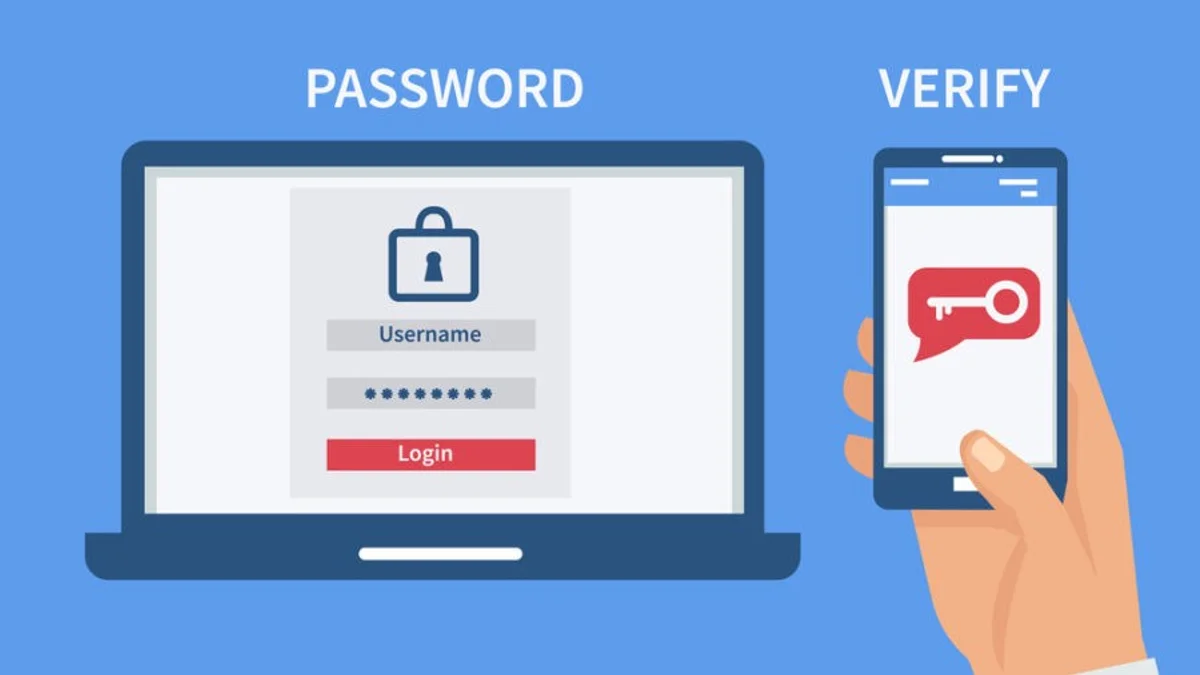
Two-Factor Authentication (2FA) introduces a mandatory second layer of defense. In addition to knowing your static password, an individual attempting to sign in or initiate a cashout must possess physical access to your mobile device to provide a dynamic, time-sensitive numeric token. This comprehensive technical guide explains how 2FA works, how to configure Google Authenticator, and how multi-factor security protects your transactions.
Operating within the digital gaming sector in Bangladesh requires understanding regional telecommunication frameworks, local mobile financial networks, and identity protection standards. Because participants wager real funds denominated in Bangladeshi Taka (BDT), establishing verified account practices from day one protects your balance and ensures that subsequent cashouts via bKash or Nagad proceed smoothly.
This comprehensive guide examines operational rules, system protocols, common troubleshooting solutions, and consumer protection frameworks governing two-factor security within the official TK666 environment.
Specifications and Operational Parameters
Comprehensive Operational Walkthrough for Two-Factor Security
Configuring an authenticator application takes less than three minutes and provides permanent offline security:
First, download the official Google Authenticator application on your smartphone from Google Play (Android) or the Apple App Store (iOS).
Second, log into your platform profile, click your account avatar, and navigate to Security Settings > Two-Factor Authentication (2FA). Click "Enable Authenticator App."
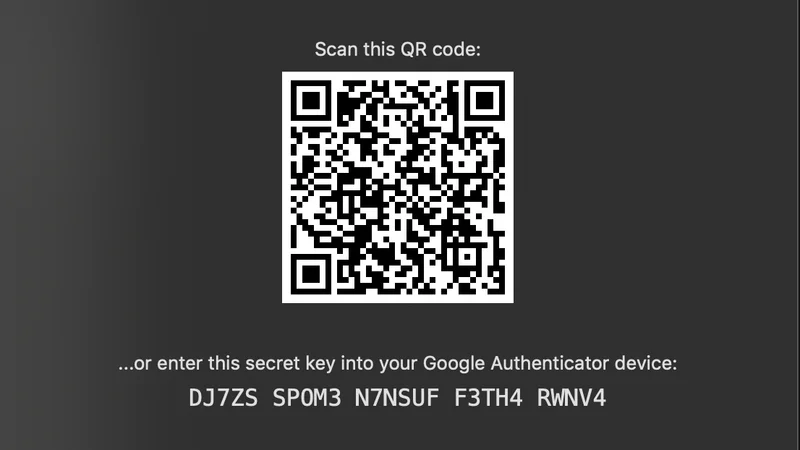
Third, the platform screen will display a unique QR code alongside a 16-character alphanumeric backup key (Secret Key).
Fourth, open Google Authenticator on your phone, tap the "+" icon, and select "Scan a QR code." Point your camera at your screen to scan the code. If configuring on the same device, select "Enter a setup key" and paste the 16-character secret key.
Fifth, Google Authenticator will immediately generate a 6-digit dynamic code that refreshes every 30 seconds. Enter the current 6-digit code into the confirmation field on the platform and click "Activate 2FA." Your profile is now permanently safeguarded.
Common System Errors, Discrepancies, and Solutions
The most critical step during 2FA configuration is safeguarding your 16-character Secret Key (Backup Code):
When the platform displays your secret key during setup, write it down on a physical piece of paper and store it in a secure location. Never store backup keys in unencrypted text files on your phone or email inbox.
If your smartphone is lost, damaged, or replaced in the future, you can reinstall Google Authenticator on a new device, input your written 16-character secret key, and instantly restore your dynamic authentication tokens. Without this key, recovering access requires submitting manual identity verification documents to customer care.
Technical Architecture and Regional Network Optimization
Once activated, two-factor authentication protects two critical platform interaction points:
- New Device Authentication: When logging in from an unfamiliar mobile browser, computer, or IP address, the system prompts for the dynamic 6-digit code after the password is submitted, blocking unauthorized access even if your password was leaked.
- Withdrawal Confirmation: When requesting a cashout to your bKash or Nagad wallet, the cashier requires 2FA confirmation before the transaction enters the processing queue. This prevents unauthorized third parties from diverting funds even if an active session was left unattended on a shared computer.
Security Safeguards, Privacy Protocols, and Verification
Time-based One-Time Password (TOTP) algorithms operate under RFC 6238 cryptographic standards. The 6-digit passcode is mathematically derived by combining your private 16-character shared secret key with the current Unix epoch timestamp divided into 30-second windows. Because calculation occurs locally on your phone hardware, authentication tokens cannot be intercepted over public cellular networks.
Consumer Rights, Responsible Play, and Support Resources
Elevated account security provides peace of mind, but personal discipline remains the core pillar of a positive gaming experience. Having a secure wallet should not encourage careless or excessive wagering.
Establish a firm personal budget for every gaming session. Always treat real-money gaming as entertainment with inherent financial risk, not an investment strategy.
If you ever feel that gaming is creating stress or difficulty in your daily life, reach out to free, independent counseling services including BeGambleAware, GamCare, and Gambling Therapy.
Regional Operational Context and Practical Advice for Bangladesh
Navigating online entertainment platforms in Bangladesh requires careful attention to regional operational nuances. Because domestic financial services operate under guidelines established by Bangladesh Bank, commercial merchant payment channels for offshore gaming websites are not directly integrated into local banking gateways. Consequently, players rely on peer-to-peer (P2P) transfers, authorized regional agents, and specialized personal mobile banking channels including bKash, Nagad, Rocket, and Upay.
To ensure smooth operations, always verify that your registered platform personal details match the legal name on your mobile financial accounts. Financial discrepancies between account profiles and mobile banking wallets represent the leading cause of manual verification holds and delayed cashouts. Furthermore, maintaining clear transaction receipts—including original SMS confirmation messages displaying unique Transaction IDs (TrxIDs)—provides indispensable proof of payment whenever automated gateway reconciliations experience network delays.
Additionally, telecommunications networks in Bangladesh—including Grameenphone, Robi, Banglalink, and Teletalk—periodically update automated content filtering rules. If you experience unexpected connection interruptions during live dealer streams or crash game sessions, switching your device DNS to encrypted public resolvers (such as Cloudflare 1.1.1.1 or Google 8.8.8.8) or accessing the platform via verified Android application builds ensures reliable, low-latency connectivity.
Best Practices and Player Protection Guidelines
Maintaining long-term account health requires applying systematic security habits and disciplined personal budgeting whenever engaging with online gaming platforms:
- Maintain Method Discipline: Consistently execute deposits and cashouts using the same verified mobile financial wallet. Frequent switching between multiple personal wallets or third-party accounts triggers automated anti-fraud security audits and delays payment approvals.
- Document Every Financial Step: Keep organized screenshots of cashier payment forms, completed mobile banking transaction receipts, and final balance updates until each gaming session concludes.
- Protect Mobile Device Integrity: Ensure your smartphone operating system is updated with the latest security patches, avoid installing unverified third-party utility applications, and enable biometric fingerprint authentication on your mobile wallet applications.
- Recognize When to Step Away: Online entertainment should never be treated as an avenue for earning income or solving personal financial difficulties. If you ever find yourself wagering beyond your predetermined entertainment budget or feeling anxious about session outcomes, make immediate use of the platform's voluntary self-exclusion and cooling-off tools.
Related Guides & Resources
Secure Login Guide
Master safe account authentication methods.
Read Guide →Identity Verification (KYC)
Secure your profile with official identification.
Read Guide →Payment Gateways & Cashier
Explore protected deposit and cashout options via bKash.
Read Guide →Frequently Asked Questions
No. Authenticator applications utilize mathematical algorithms (TOTP) based on the device clock. They generate valid 6-digit codes completely offline, even if your phone has no SIM card or Wi-Fi connection.
TOTP codes depend on precise device time. In Google Authenticator on Android, open Settings > Time correction for codes > Sync now. On iPhone, ensure your device settings have Date & Time set to "Set Automatically."
You must contact 24/7 customer care live chat and initiate a manual identity verification review by submitting a photograph of your National ID (NID) alongside previous deposit receipts to reset your 2FA module.
Yes. You can disable 2FA within your profile security settings by inputting your current account password and a valid dynamic 2FA code.
You can check the "Trust this device for 30 days" option during login. The system will remember your personal handset and only prompt for 2FA when logging in from unfamiliar devices or when executing withdrawals.
Yes. Any standard RFC 6238 compliant TOTP application—including Microsoft Authenticator, Authy, and 1Password—is fully compatible with the platform 2FA QR code.
Yes. Even if an attacker gains access to your active session, they cannot submit a withdrawal request or alter your bound bKash or Nagad wallet number without providing a live 2FA code.
Official Regulatory & Player Protection Authorities
- Secure Login Guide — Master safe account authentication methods.
- Identity Verification (KYC) — Secure your profile with official identification.
- Payment Gateways & Cashier — Explore protected deposit and cashout options via bKash.
- Curaçao eGaming — Regulatory licensing oversight and player dispute framework.
- GamCare — Free confidential advice, helpline, and emotional support.
- BeGambleAware — Professional guidance on healthy, responsible entertainment boundaries.
- Gambling Therapy — Global multilingual online counseling and support groups.